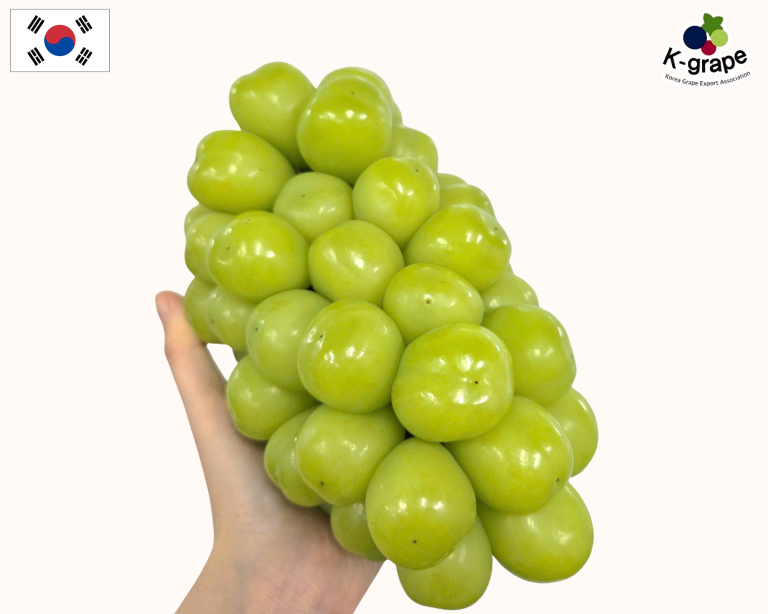
Shine Muscat Grapes, also known as milk grapes, have become one of the specialty fruits cultivated and consumed in many countries worldwide, especially in South Korea. It is widely acknowledged that when people mention Shine Muscat grapes, they often associate them first with South Korea, even though this country may not have been the origin point of this grape variety.
It seems that South Korea possesses the perfect combination of favorable climate, geographical advantages, and social harmony, which allows a premium agricultural product like Shine Muscat grapes to thrive, develop, and expand its reputation. Firstly, South Korea’s subtropical climate is highly suitable, and its agriculture has long applied high-tech practic
However, the key factor for Shine Muscat grapes to achieve their current standing and reputation is the element of social harmony. The way South Korea manages the processes from cultivation, harvest, and packaging is indeed distinct from other countries. There is no distinction between small gardeners and large farms, and the prerequisite for any garden’s product to be exported is to comply with the standards of the Positive List System (PLS), which the South Korean government enforces to regulate pesticide residues.

Greenhouse Cultivation and Substrate Planting
Typically, we see gardeners using substrate cultivation for herbaceous vegetables and fruits because their roots are shallow and not overly large. Shine Muscat grapes, however, are woody plants with deep roots, making South Korea’s adoption of substrate planting a distinctive approach. The advantage of this method is that it enables active control over nutrients and integrated pest management, thereby minimizing the use of pesticides despite the high investment costs.
GAP Certification
The GAP (Good Agricultural Practices) certification requires farms to meet many strict facility standards, including standard greenhouses, separate fertilizer and pesticide storage, wastewater treatment systems, and separate product sorting and packaging areas. All equipment must be cleaned and maintained regularly.
Training personnel is a crucial aspect of the GAP standard. Workers at the farm are trained in labor safety and safe production processes, with regular courses to update new techniques.
Maintaining the GAP standard requires continuous quality monitoring.
Compliance with Pesticide Residue Management System (PLS)
We often hear that agricultural products certified by GAP are already very safe. However, each country has specific regulations regarding the maximum residue limits (MRLs) of each substance in pesticides. Current systems have certain limitations in ensuring the safety of imported and exported foods. Therefore, South Korea has implemented the Positive List System (PLS) to guide safe import, export, and distribution of agricultural products.
The PLS (Positive List System) is a pesticide residue management system.
Alongside implementing the PLS, South Korea is tightening the inspection of imported and exported foods.
South Korean regulators inspect carefully and provide specific guidance for each farm to improve the effectiveness of achieving the necessary food safety certification before the product is distributed.
Another critical commitment of the PLS system is to protect the surrounding environment of the cultivation area. This means farms must also adopt sustainable farming techniques to ensure the safety of the natural ecosystem.

Quality Control During and After Harvest
The harvest stage is critical to the final quality. Korean Shine Muscat grapes are only harvested at optimal ripeness. The harvesting process is meticulous and careful to ensure food safety and prevent damage to the fruit. Immediately afterward, Korean Shine Muscat grapes are sorted and packaged in a controlled-temperature environment to keep the product as fresh as if it had just been picked.
The cold chain system maintains the grapes at an ideal temperature, preventing spoilage and quality loss.
Advanced packaging technology and strict quality control protect the product from the farm to the consumer’s table. Customers can feel assured when enjoying Korean Shine Muscat grapes, knowing the product is cared for to the highest standards.
Growing Shine Muscat grapes in South Korea is no longer just about agriculture but a combination of technology and protection of people and nature. Advanced cultivation methods, GAP certification, strict compliance with pesticide residue standards, and post-harvest quality
For More
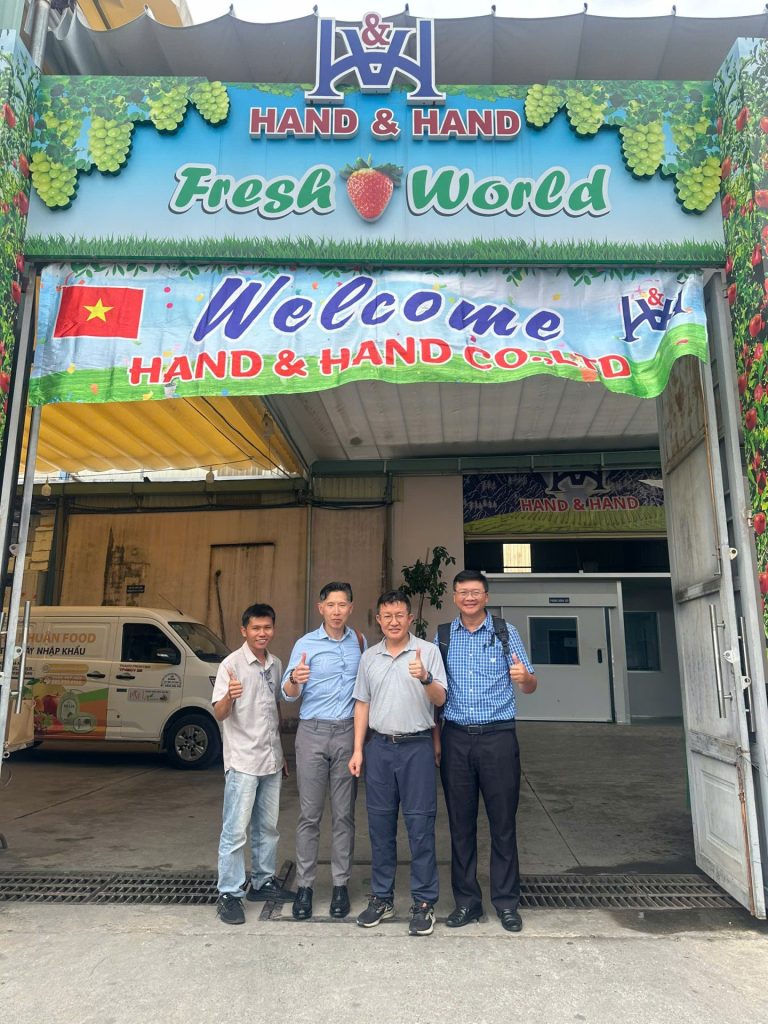
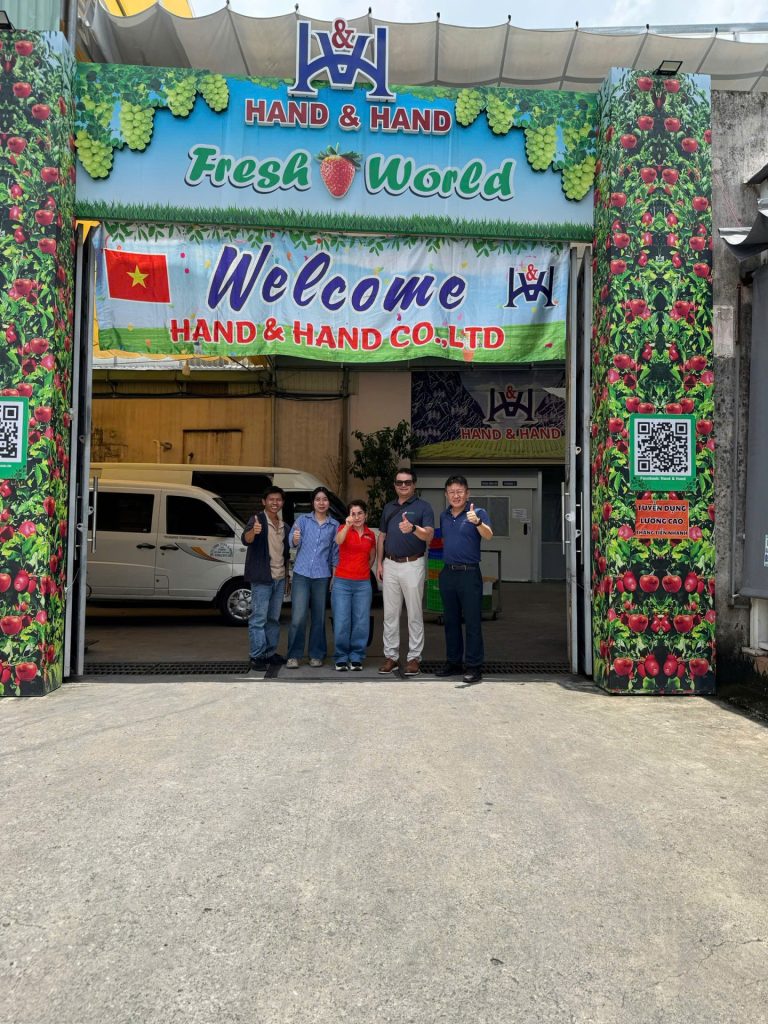
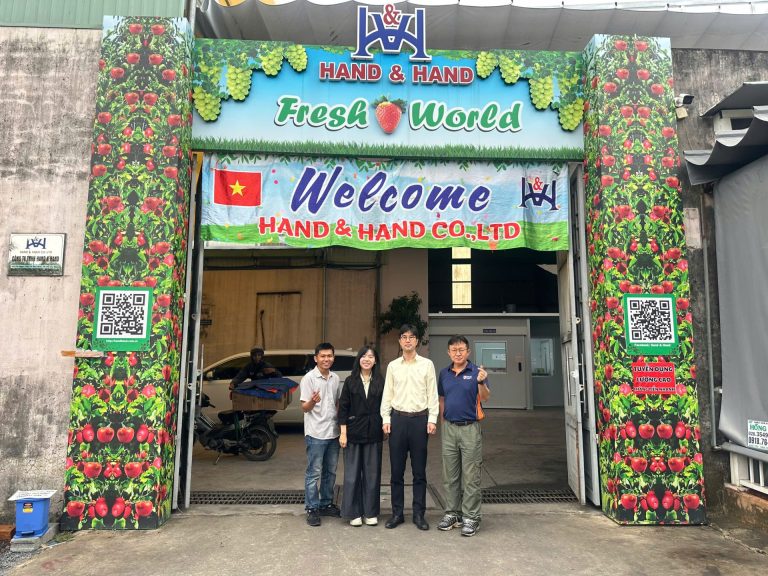
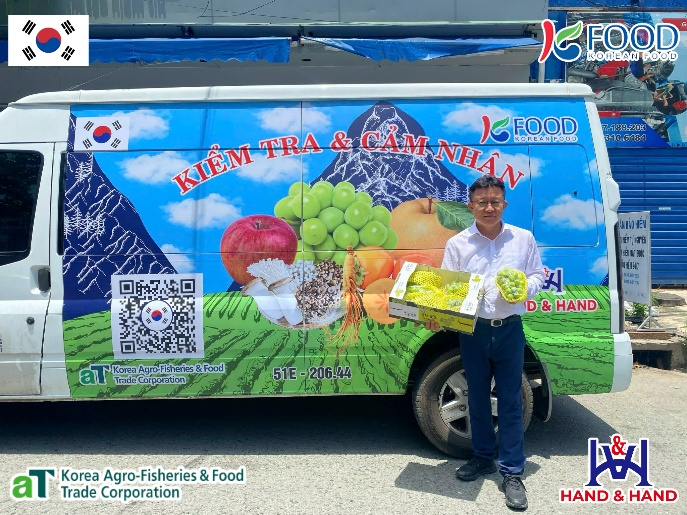
- Official Importer and Distributor: HAND & HAND Co., Ltd.
- Address:
- Distribution
- Facebook: [https://www.fa.com/handhandfruits
- Website: [https://www.handhand.com.vn](
Source: [https://nguoiduatin.vn/t-sao-nho-mau-don-han-quoc-an-toan-20424311009030253.htm